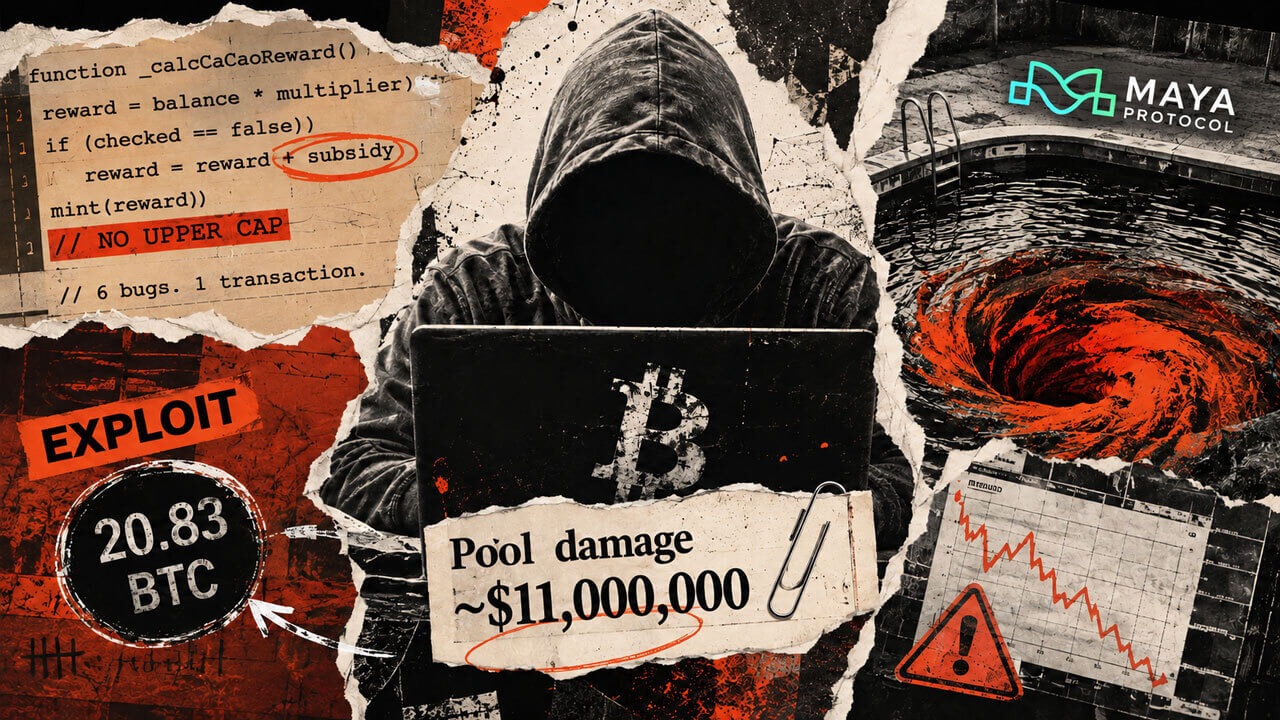
Maya Protocol, a cross-chain decentralized liquidity platform, is facing a critical security and economic test following a liquidity crash that wiped out $11 million in value. The incident, which triggered a massive repricing event across the protocol's pools, has left the community questioning the platform's stability. Currently, the suspected attacker’s address remains inactive but retains control over 20.83 BTC, worth roughly $1.3 million, signaling that the threat has not been fully neutralized or resolved.
From a technical perspective, the crash highlights the systemic risks inherent in cross-chain automated market makers (AMMs). While Maya operates on a model similar to THORChain, the lack of transparency regarding who absorbs the wider repricing damage—whether it falls on liquidity providers (LPs) or a reserve fund—is causing significant friction. This lack of clear communication is a major red flag for institutional and retail users who rely on predictable protocol behavior during periods of high volatility or potential exploits.
For traders and investors, the immediate market implication is a heightening of 'liquidity risk' premiums for cross-chain DeFi protocols. As US regulators continue to scrutinize DeFi for security lapses and consumer protection issues, unresolved incidents like this provide ammunition for stricter oversight. Market participants should monitor Maya’s official channels for a post-mortem and watch the movement of the attacker's 20.83 BTC, as a sudden liquidation could further depress pool valuations and trigger additional arbitrage leakage.