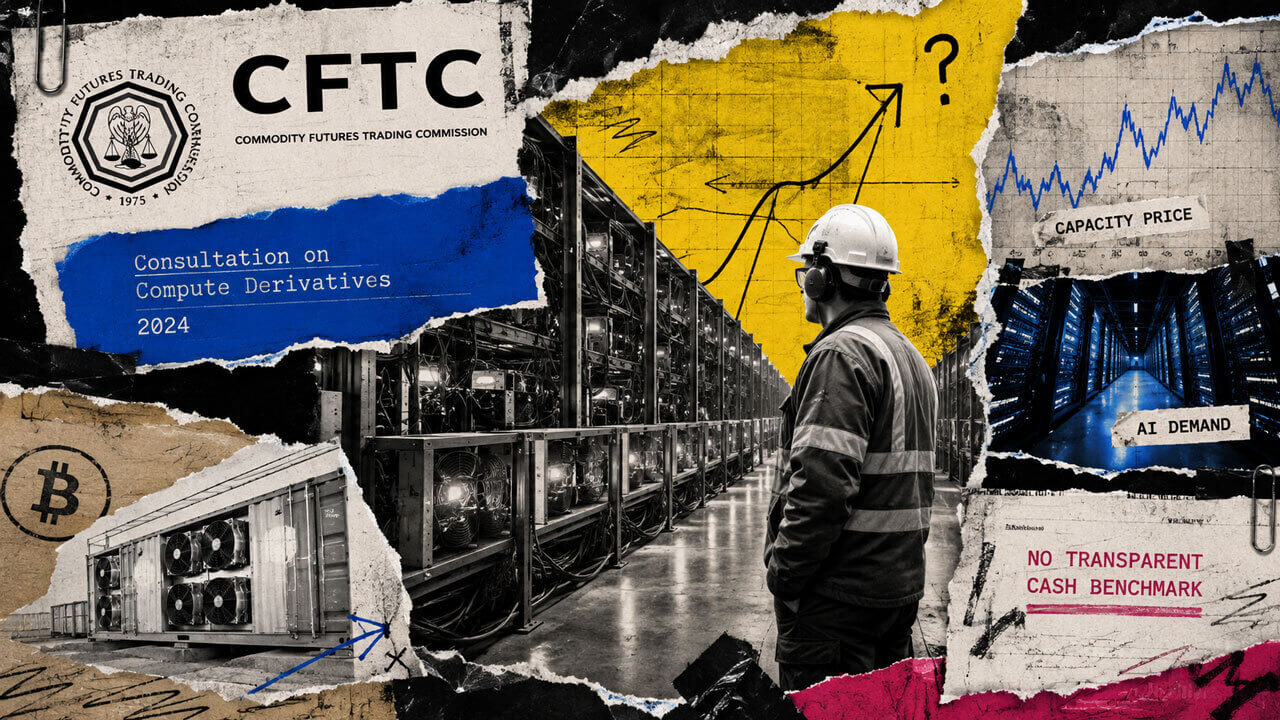
As the Bitcoin mining industry faces squeezed margins following the latest halving, major players including HIVE Digital Technologies and Riot Platforms are aggressively repurposing infrastructure for the Artificial Intelligence boom. The emergence of GPU-rental benchmarks aims to provide a standardized pricing model for this transition, theoretically allowing miners to hedge against compute price fluctuations. However, market analysts warn that these tools only address surface-level market rates while leaving miners exposed to the massive capital expenditures required to maintain competitive AI hardware.
From a regulatory and geopolitical perspective, this shift places US-based miners in a complex position. The scramble for high-end chips like NVIDIA's H100s subjects these companies to global supply chain disruptions and potential export controls that differ significantly from the relatively decentralized ASIC market. Furthermore, the high-performance computing (HPC) sector requires different operational expertise than traditional SHA-256 mining, increasing the likelihood of execution failures that a simple pricing hedge cannot fix.
For investors and traders, this diversification is a double-edged sword. While the 'AI narrative' provides a valuation premium in the short term, the underlying financial exposure to long-term debt used to fund these GPU clusters remains a major concern. Market participants should closely monitor upcoming quarterly earnings from HIVE and Riot to determine if AI revenue is actually offsetting mining difficulty increases, or if the pivot is simply introducing unmanaged operational complexity.