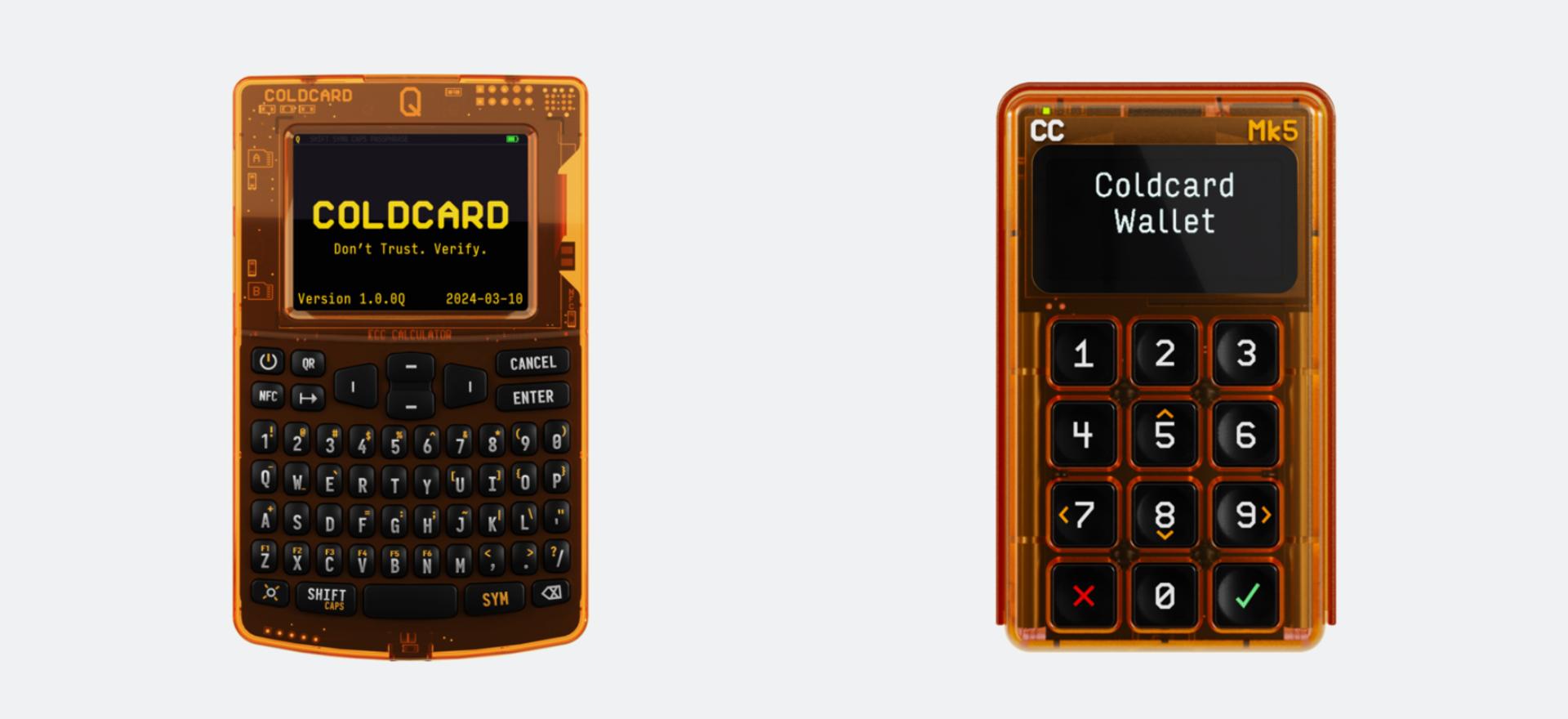
Coinkite, the developer of the popular Coldcard hardware wallet, has officially shipped new firmware following a rigorous three-week security review sparked by a massive $114 million Bitcoin exploit. The audit process was notably augmented by artificial intelligence, which helped developers identify several latent bugs unrelated to the initial flaw. This move marks a significant step in hardware security, showcasing how AI is becoming a frontline tool for auditing complex cryptographic code under pressure.
From a regulatory and geopolitical perspective, this incident underscores the escalating stakes of self-custody security. As US lawmakers debate the nuances of the 'Keep Your Coins Act' and other self-custody protections, high-profile breaches of 'air-gapped' devices provide ammunition for critics who argue for stricter oversight of non-custodial solutions. The integration of AI for bug detection may set a new industry standard for hardware manufacturers seeking to prove their security claims to both users and regulators.
For market participants, the fallout serves as a grim reminder of the 'not your keys, not your coins' mantra's limitations if the 'keys' themselves are generated or stored on vulnerable hardware. Investors should be aware that this firmware update is preventative, not curative; it does not protect funds if the private keys were already exfiltrated. Traders should watch for potential outflows from legacy Coldcard addresses as users migrate to new seed phrases to ensure total security in a post-exploit environment.