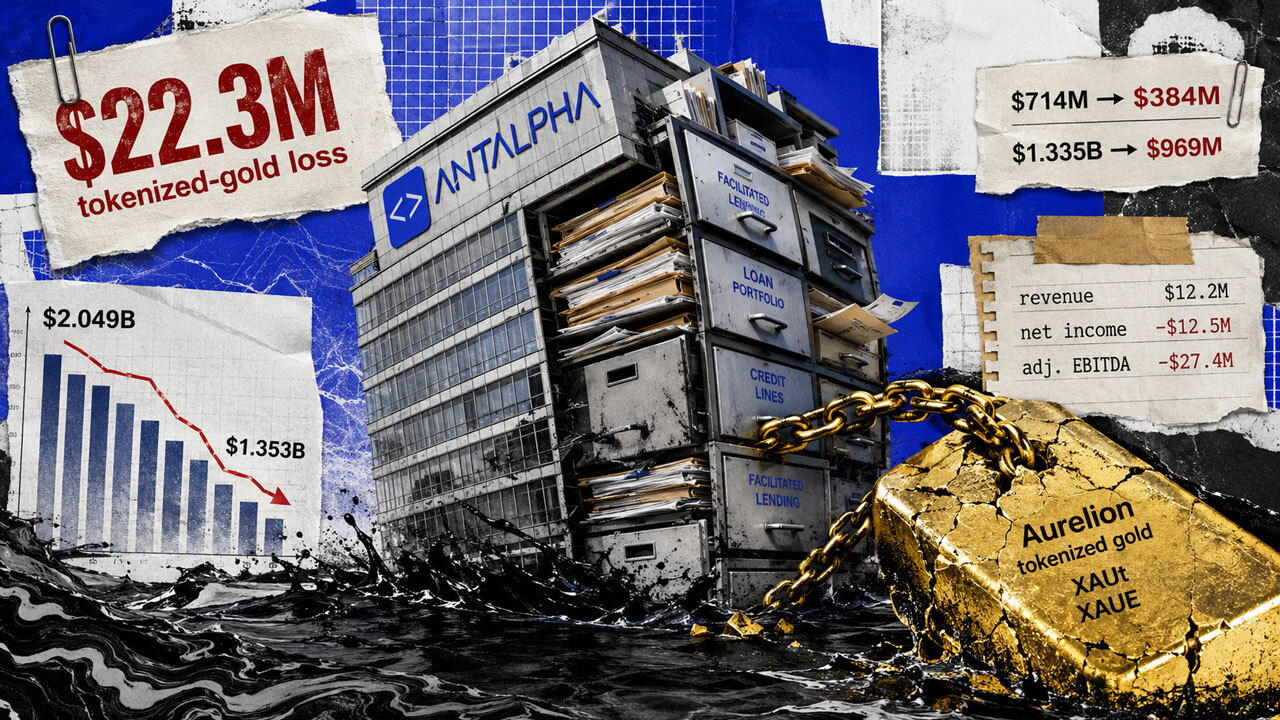
Antalpha Prime, the lending arm of the Tether-backed digital asset firm, has reported a significant contraction in its lending activity. The platform's Total Value Locked (TVL) plummeted by $696 million, bringing total facilitated loans down to $1.353 billion. This sharp downturn is largely attributed to a $22 million loss stemming from gold positions held via Aurelion, highlighting the inherent risks of cross-asset diversification in a volatile macroeconomic climate.
The link to Tether is crucial for US-based investors to monitor. As Tether (USDT) remains the backbone of global crypto liquidity, any financial stress within its ecosystem partners could raise questions regarding systemic risk. While the $22 million loss is manageable relative to Tether’s massive reserves, the substantial decline in lending volume suggests a cooling off in institutional borrowing demand, likely driven by higher interest rates and shifting risk appetites.
This development underscores a broader trend of deleveraging among institutional players. Traders should note that Antalpha’s internal guidance points to further declines in the coming quarter. If liquidity continues to exit these major lending portals, it could lead to reduced market depth and increased price sensitivity for major assets like Bitcoin and Ethereum.
Moving forward, investors should watch for further financial disclosures from Tether-affiliated entities and the performance of precious metal hedges in crypto-native portfolios. A continued drop in TVL may force Antalpha to restructure its lending terms, potentially impacting the yield strategies of its institutional clients and broader stablecoin circulation velocity.