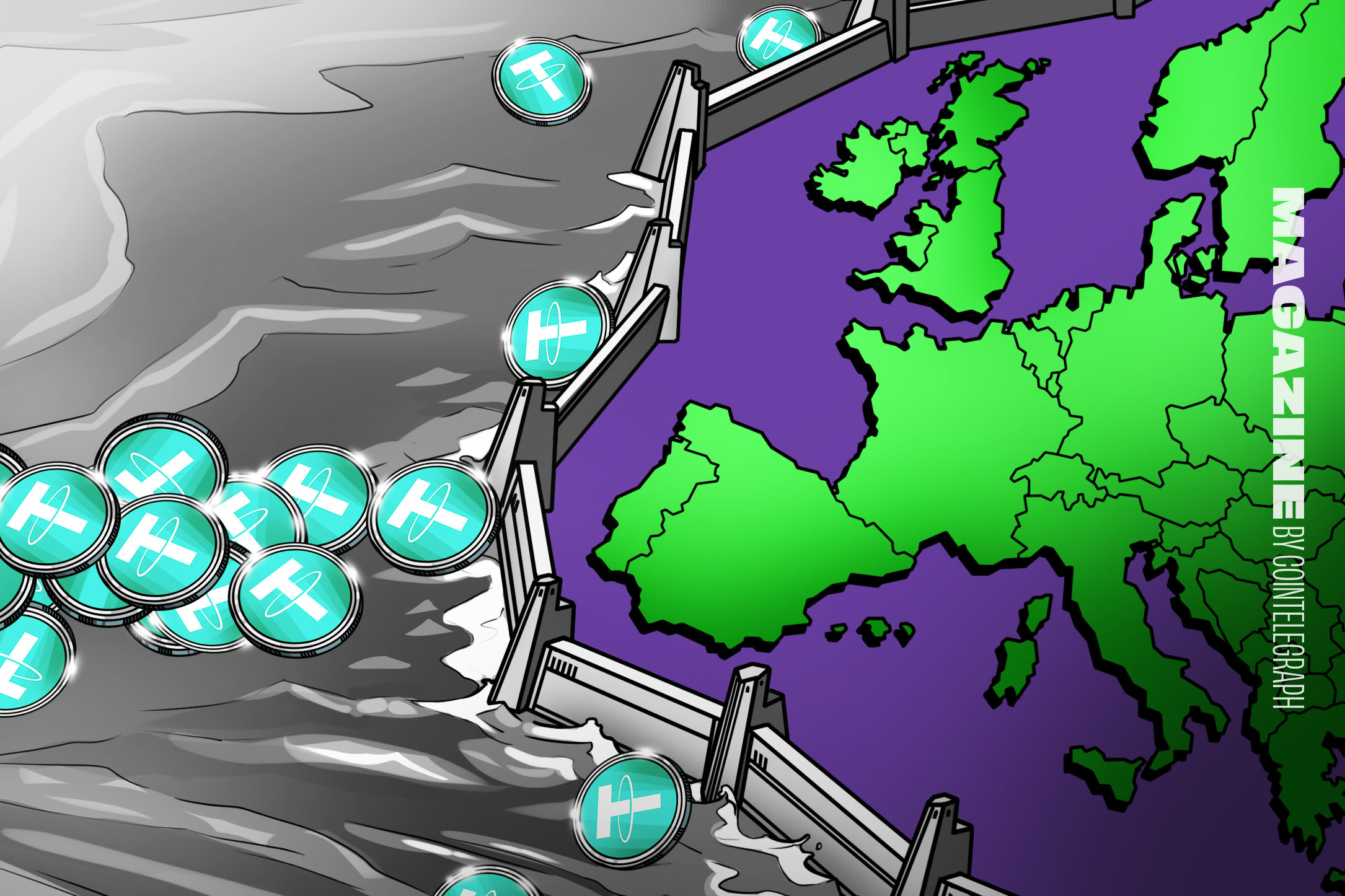
Under the newly implemented Markets in Crypto-Assets (MiCA) regulation, major exchanges like Binance, OKX, and Uphold are aggressively limiting USDT services for European residents. The rules demand that stablecoin issuers hold specific licenses and maintain liquid reserves in EU banks—thresholds that Tether has yet to formally satisfy. This transition marks a significant shift in the European landscape, pushing users toward compliant alternatives like Circle’s USDC or newly minted EUR-pegged tokens.
The EU's move is part of a broader push to establish a 'walled garden' of digital asset safety, prioritizing consumer protection and financial stability over unrestricted liquidity. While this provide a blueprint for US regulators who are currently drafting stablecoin legislation, Tether CEO Paolo Ardoino has remained critical of the requirements. Ardoino suggests that MiCA’s reserve requirements could actually increase systemic risk by forcing issuers to hold large portions of their reserves in bank deposits rather than more secure government T-bills.
For traders and investors, the immediate concern is liquidity fragmentation. As USDT is swapped for compliant assets within the Eurozone, we may see temporary arbitrage opportunities or price discrepancies between EU-regulated and global platforms. Market participants should closely watch Tether’s willingness to adapt to European law and the adoption rate of euro-backed stablecoins, which could finally gain significant traction under this new regulatory climate.