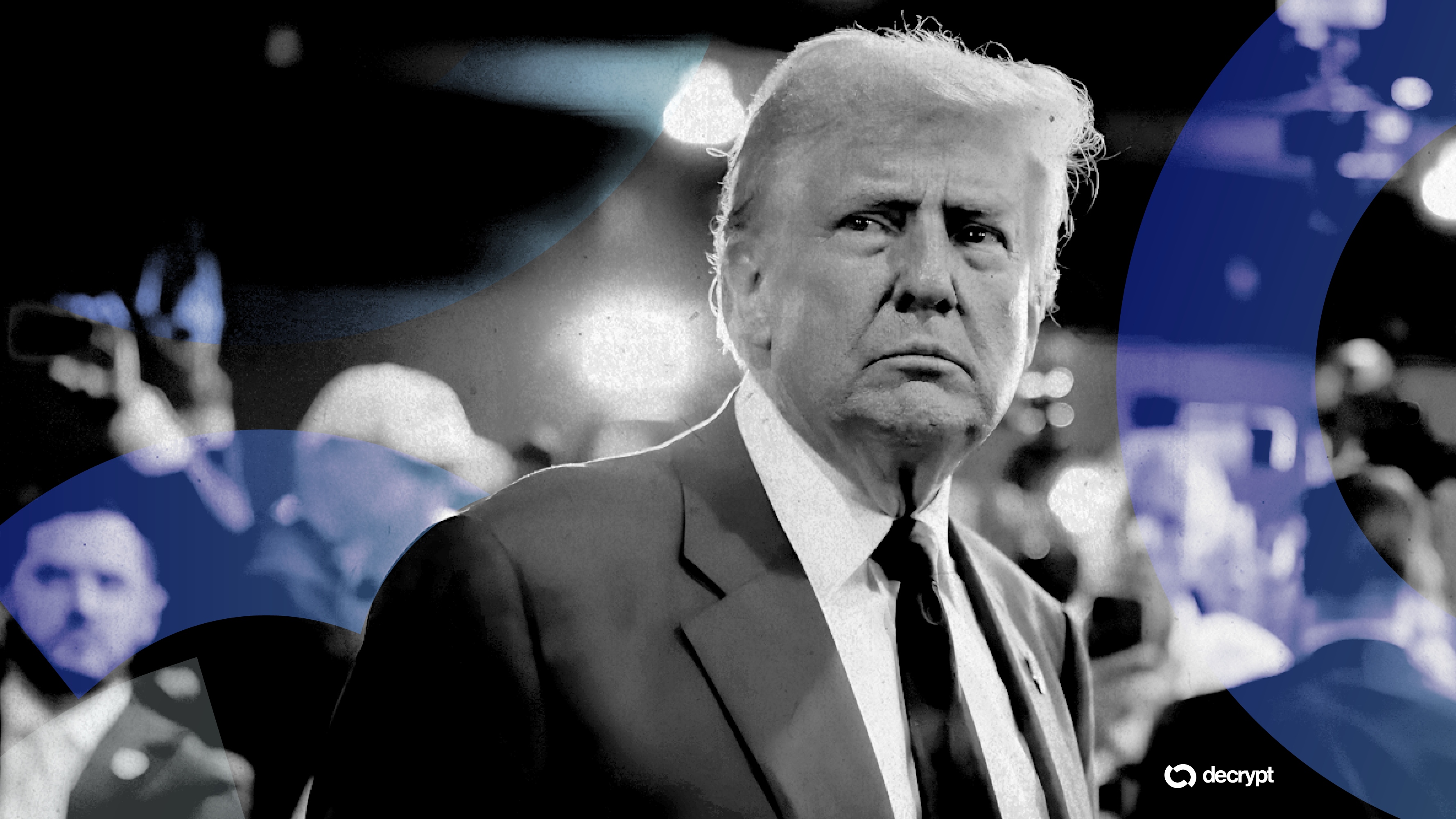
Former President Donald Trump recently underscored the transformative potential of artificial intelligence, suggesting the sector could eclipse the internet in total economic impact. During his remarks, Trump emphasized that the United States currently maintains a lead over China in AI development—a lead he intends to widen by stripping back regulatory hurdles. By championing 'light-touch' regulation, the administration aims to foster an environment where rapid innovation can occur without the friction of excessive federal oversight.
Central to this vision is a significant expansion of the nation's energy and physical infrastructure. Trump defended the accelerated construction of high-capacity data centers and power plants, which are critical to meeting the immense electrical demands of large-scale AI models. This stance aligns with a broader 'energy dominance' strategy, signaling a shift toward prioritizing industrial scaling over environmental restrictions to ensure American technological hegemony.
For the crypto and blockchain industry, these developments are highly significant due to the increasing convergence of AI and Bitcoin mining. Both sectors rely on the same power grids and specialized hardware components. A policy environment that favors rapid energy expansion and data center development could provide a massive tailwind for U.S.-based mining operations, many of which are already pivoting toward 'AI-compute' to diversify their revenue streams.
Investors should closely monitor future policy proposals regarding energy grid prioritization. If the U.S. implements fast-track permits for power plants, it could lower operational costs for high-compute industries, including proof-of-work mining. Furthermore, the geopolitical framing of AI as a 'must-win' race against China suggests that tech-adjacent assets, including decentralized AI protocols, may benefit from increased institutional interest and a more favorable domestic regulatory climate.