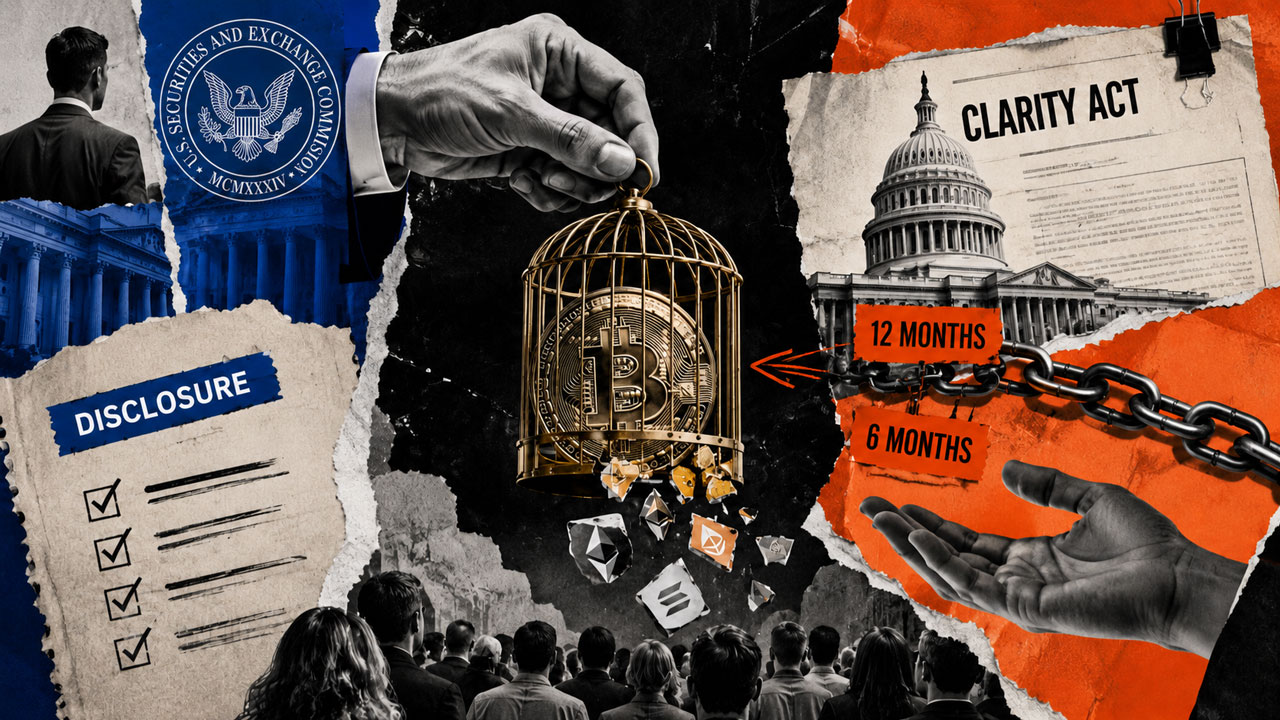
The Securities and Exchange Commission (SEC) has introduced a fundraising proposal that classifies tokens as freely tradable the moment a buyer acquires them, provided no other specific laws or issuer restrictions apply. This stance marks a significant shift, as it essentially opens the door for project insiders—who possess significantly more information than the general public—to liquidate their holdings immediately during a project's critical early stages.
This regulatory path stands in stark contrast to a current Senate draft bill that aims to block 'day-one' sales by insiders. The legislative push in Congress is driven by the desire to align insider incentives with long-term project viability, preventing the predatory schemes that have plagued the industry. The clash highlights the ongoing jurisdictional friction between executive agencies and the legislative branch over how to govern digital assets in the United States.
For the broader market, the SEC's proposal could lead to increased liquidity but at the cost of significant price volatility and reduced retail confidence. If insiders can exit their positions before a project has proven its utility, the risk of early-stage collapses increases. Traders should monitor the progression of the Senate's counter-proposal, as a legislative mandate would likely override the SEC’s discretionary rules, providing a more restrictive but potentially more stable environment for long-term investment.