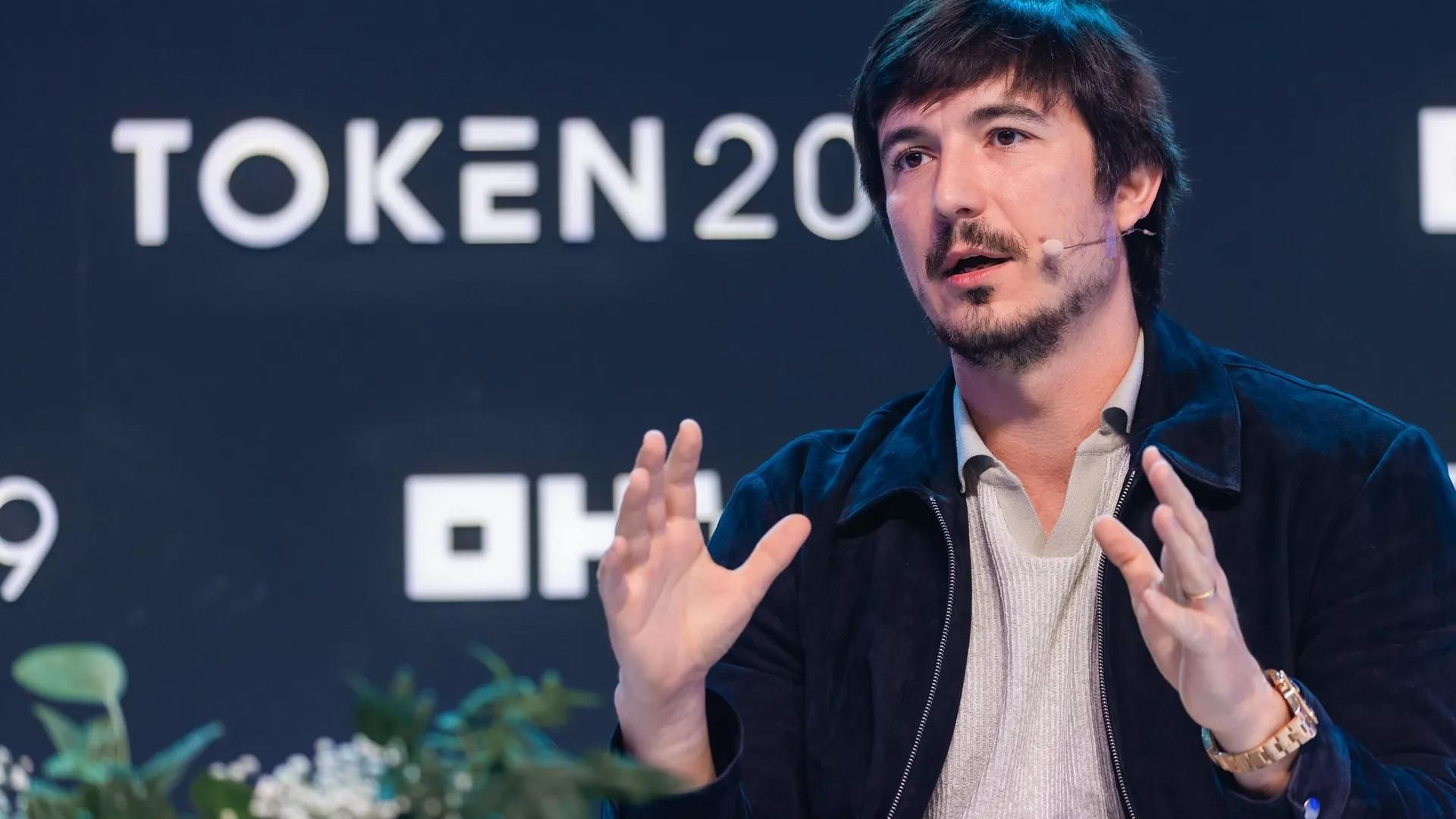
Vlad Tenev, CEO of Robinhood, has issued a call to action for U.S. regulators to modernize financial infrastructure by permitting the tokenization of stocks. Tenev argues that the legacy settlement systems are increasingly obsolete, and that blockchain integration could offer investors 24/7 market access and instantaneous, real-time settlement. This shift would represent a fundamental upgrade to how retail and institutional participants interact with capital markets, moving away from the traditional T+1 cycle.
The advocacy arrives amid growing geopolitical competition in the digital asset space. Overseas markets, particularly in Europe and Asia, are moving aggressively to test Real World Asset (RWA) tokenization, threatening the U.S.’s status as the primary global financial hub. Tenev emphasized that while the technology is ready, the lack of a clear regulatory framework from agencies like the SEC serves as a primary bottleneck for domestic innovation and keeps these efficiencies out of reach for U.S. investors.
For market participants, Tenev’s stance reinforces the growing RWA trend that seeks to migrate trillions of dollars of traditional assets on-chain. If Robinhood and its peers successfully lobby for these changes, it could drive massive demand for blockchain infrastructure and settle the long-standing debate over the utility of public ledgers in traditional finance (TradFi). Investors should watch for potential policy shifts following the 2024 election cycle, which could influence the SEC's stance on tokenized securities and digital market infrastructure.