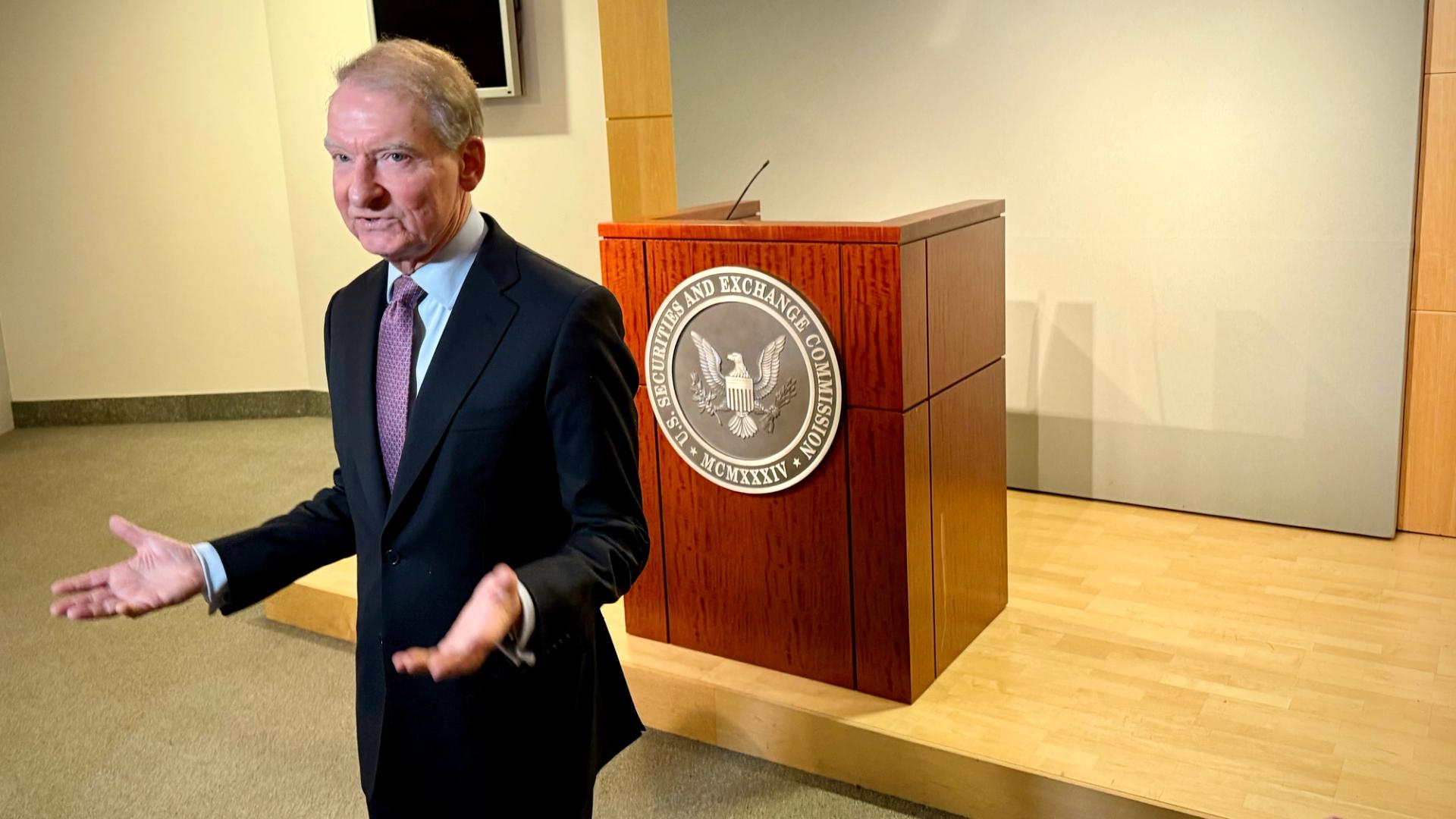
The Securities and Exchange Commission (SEC) has caught the industry off guard by proposing 'Regulation Crypto,' a landmark framework aimed at bringing digital assets under formal securities oversight. The announcement comes just days after the commission abruptly canceled a vote on the matter, leading many to believe the initiative had been shelved. This proposal marks the first major attempt by the SEC to centralize and codify its jurisdiction over the crypto ecosystem rather than relying solely on enforcement actions.
From a political perspective, this move intensifies the ongoing turf war between the SEC and the CFTC over who controls the digital asset market. By formalizing these rules, the SEC is asserting that the majority of tokens and exchange activities fall under its existing securities mandate. This development is likely to draw significant pushback from U.S. lawmakers who favor a more tailored approach to crypto regulation, as well as industry groups advocating for greater clarity without stifling innovation.
Market implications are immediate and likely skewed toward the downside in the short term. Traders should brace for increased volatility as exchanges and institutional custodians scramble to assess compliance costs. If these rules mirror traditional equity requirements, we could see a bifurcation in the market where compliant, U.S.-regulated entities gain market share while decentralized or offshore protocols face heightened legal barriers.
Investors should closely monitor the public comment period, which will serve as the first real test of industry resistance. Specifically, watch for how the proposal defines 'custody' and 'exchanges,' as these definitions will determine whether major platforms like Coinbase or Kraken must undergo massive structural changes. The outcome of this proposal will likely dictate the U.S. crypto landscape for the next decade.