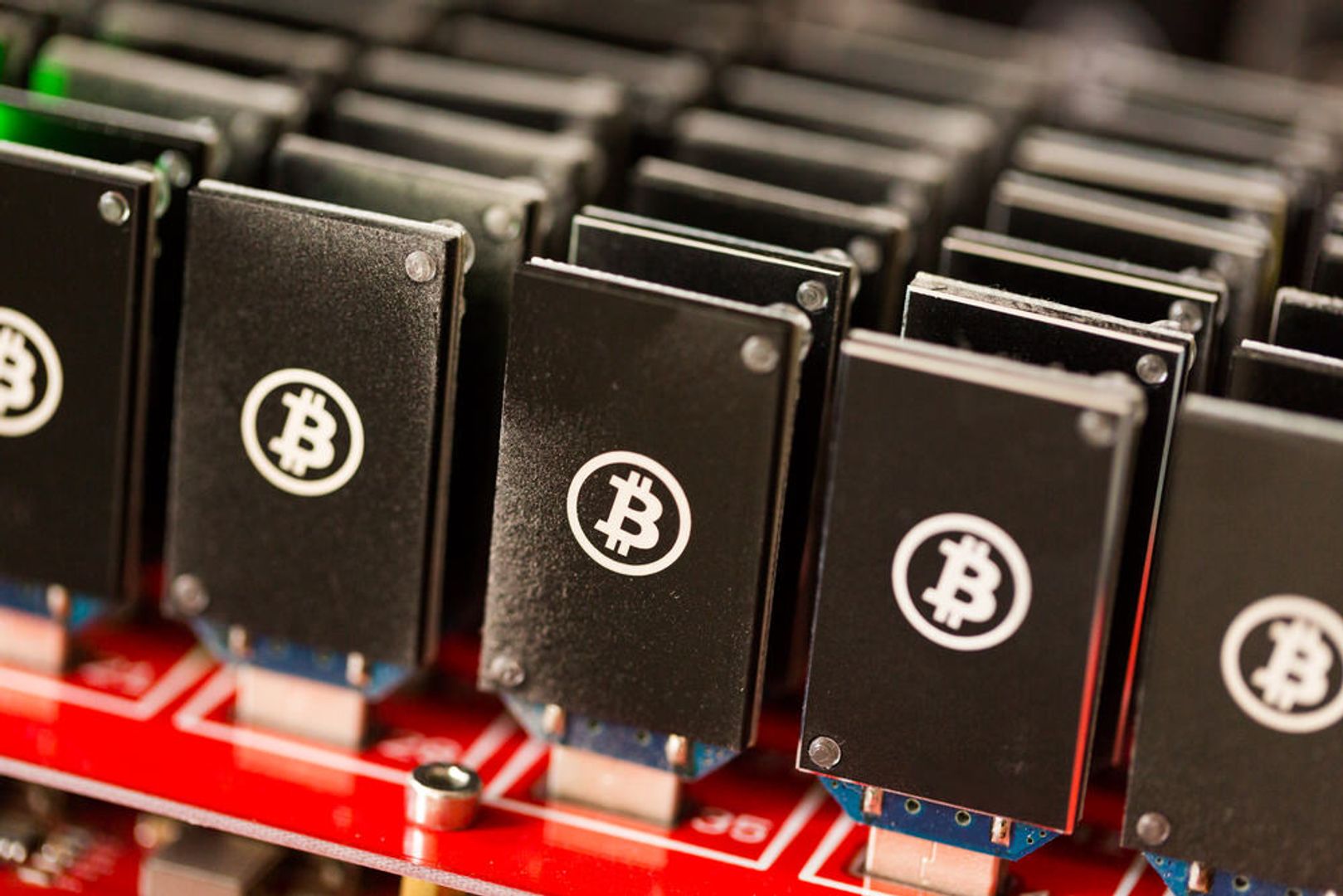
Bitcoin mining firms are increasingly rebranding as AI infrastructure providers, securing lucrative high-performance computing (HPC) contracts to offset declining block rewards and stagnant token prices. This transition comes as the 'hashprice'—a metric of mining revenue per unit of computing power—remains under significant pressure, forcing pure-play miners to face shrinking margins and lower market valuations. By repurposing their energy-heavy facilities for AI, firms are effectively decoupling their stock performance from Bitcoin's immediate price volatility.
From a regulatory and geopolitical perspective, US-based miners are uniquely positioned to leverage their domestic power footprints. As the federal government pushes for AI sovereignty and domestic computing dominance, miners with secured energy grids are becoming vital assets. This shift is attracting institutional capital that previously viewed crypto mining as too high-risk, effectively turning energy-intensive mining sites into critical national infrastructure for the broader tech sector.
Market implications are clear: a valuation gap is widening between 'legacy' miners and 'AI-integrated' operators. While a sudden spike in Bitcoin prices could temporarily revive the pure-play mining model, the long-term trend favors diversification. Investors should monitor the upcoming quarterly reports for 'compute-as-a-service' revenue growth, as this will likely be the primary driver for stock appreciation regardless of BTC's short-term price action.
Traders should watch for the 'twist' in this evolution: the potential for miners to use AI to optimize their own energy consumption and hashpower efficiency. As the sector matures, the ability to balance grid demand between speculative mining and stable AI workloads will define the next generation of industry winners. Watch for news regarding federal data center subsidies, which could provide a second tailwind for these hybrid operators.