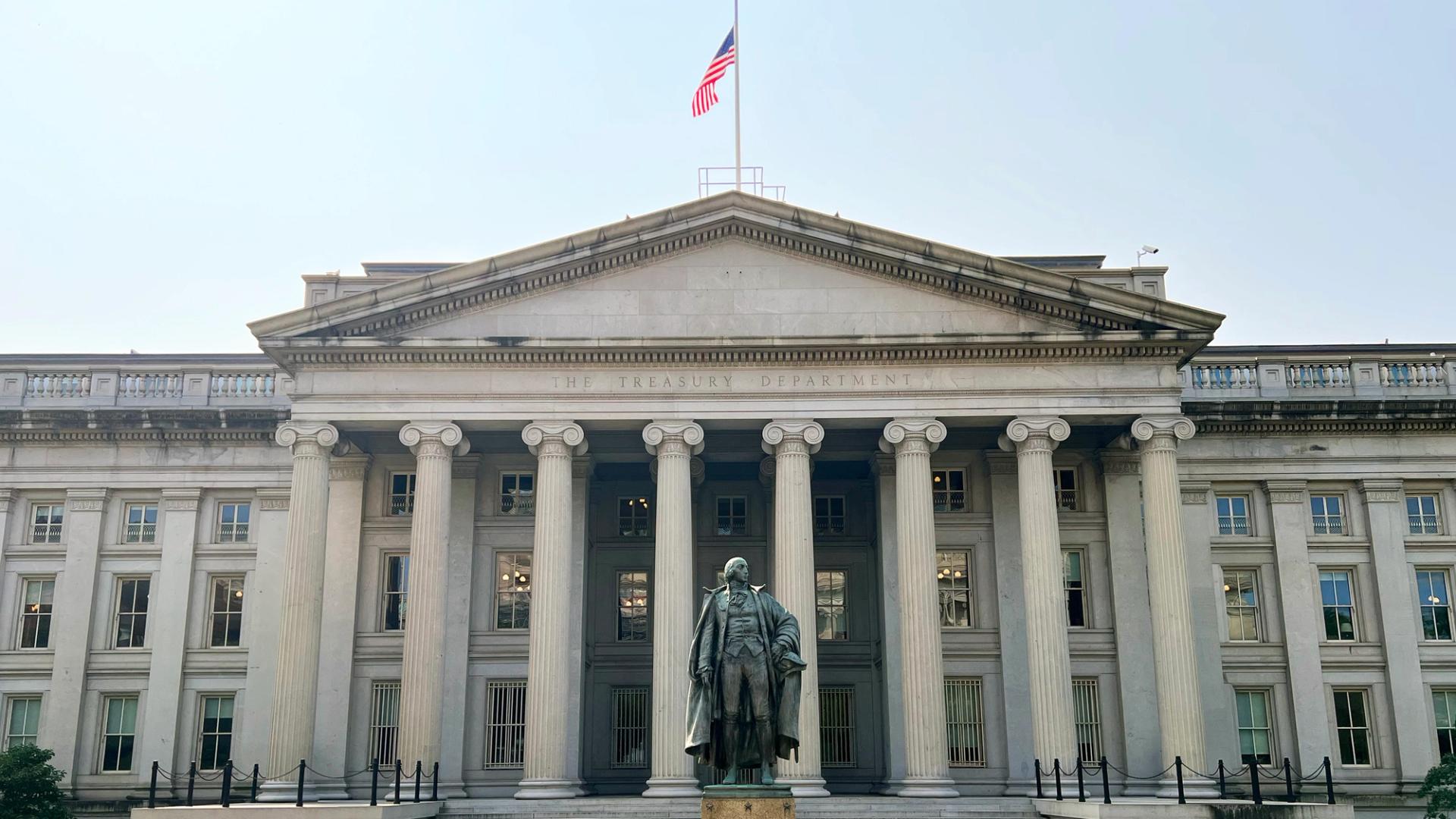
The U.S. Treasury Department is moving to close the regulatory gap in the digital asset space by proposing new rules under the GENIUS Act. This proposal focuses on establishing core definitions for 'payment stablecoins' and determining the jurisdictional boundaries between the Federal Reserve, the OCC, and state-level regulators. By formalizing these roles, the Treasury aims to provide a clear roadmap for issuers who have previously navigated a fragmented legal landscape.
From a political perspective, this move signals the administration's intent to bring stablecoin issuance into the traditional banking perimeter. The GENIUS Act, passed by Congress last year, was designed to enhance national security and financial stability by ensuring dollar-backed digital assets meet stringent liquidity and reserve requirements. This federal oversight could potentially reduce the systemic risk posed by under-regulated offshore entities while cementing the dollar's dominance in the digital economy.
For the markets, this is a double-edged sword. While institutional investors will likely welcome the increased legal certainty, which could accelerate the adoption of compliant assets like USDC and PYUSD, existing issuers may face significantly higher compliance and capital reserve costs. Furthermore, the push for federal standards could spark friction with state regulators who have historically overseen major crypto firms.
Investors should closely monitor the public comment period for these proposed rules, as the final language will dictate the reserve transparency requirements for major tokens. Any shift in how 'permitted assets' are defined could directly impact the demand for U.S. Treasuries, which currently serve as the primary backing for compliant stablecoins.