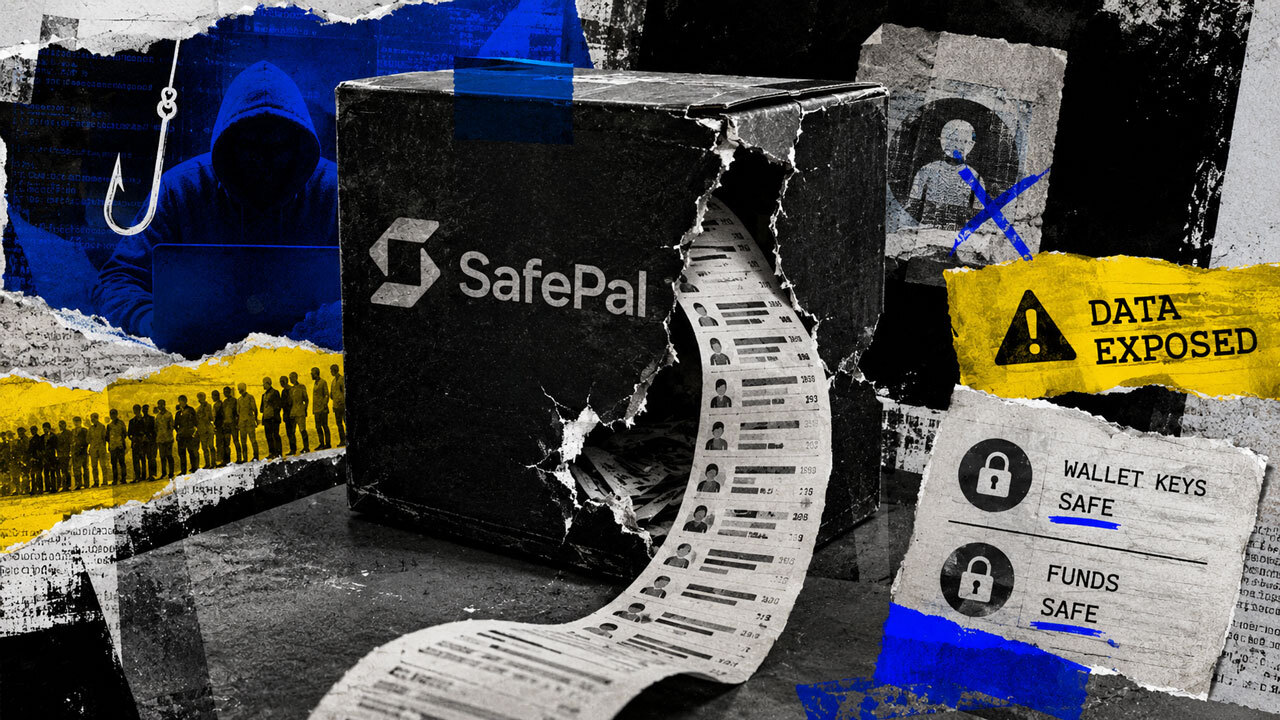
SafePal, a prominent hardware wallet manufacturer, has disclosed a security flaw in its order-tracking system that exposed the contact and shipping information of roughly 40,000 customers. While the company emphasized that the breach did not compromise private keys or actual funds, the exposure of physical addresses and purchase history creates a significant security risk for users. This data is often used by malicious actors to launch sophisticated phishing campaigns or even targeted physical attacks against crypto holders.
This incident adds to a troubling trend of supply chain vulnerabilities within the hardware wallet industry, following similar leaks from competitors like Ledger. From a regulatory perspective, such breaches could provide US authorities, including the SEC and CFPB, with further justification to demand stricter oversight of self-custody providers. The shift toward unhosted wallet regulation remains a hot-button issue in Washington, and security lapses at the manufacturing level often trigger renewed calls for consumer protection mandates.
For market participants, the leak serves as a stark reminder that the security of one's assets depends on more than just blockchain integrity; the commerce infrastructure surrounding these tools is equally vulnerable. While the technical security of the SafePal device itself remains unproven to be broken, the psychological impact of a data breach can lead to decreased confidence in hardware solutions, potentially slowing the trend of moving assets off centralized exchanges.
Investors and traders should remain hyper-vigilant against targeted phishing attempts in the coming weeks. The broader context of escalating hardware-related attacks, which have reportedly resulted in over $100 million in cumulative industry losses, suggests that sophisticated hacking groups are increasingly focusing on the human and logistics elements of the crypto ecosystem. Watch for SafePal to provide a comprehensive security audit and potential changes to their data retention policies to mitigate future risks.