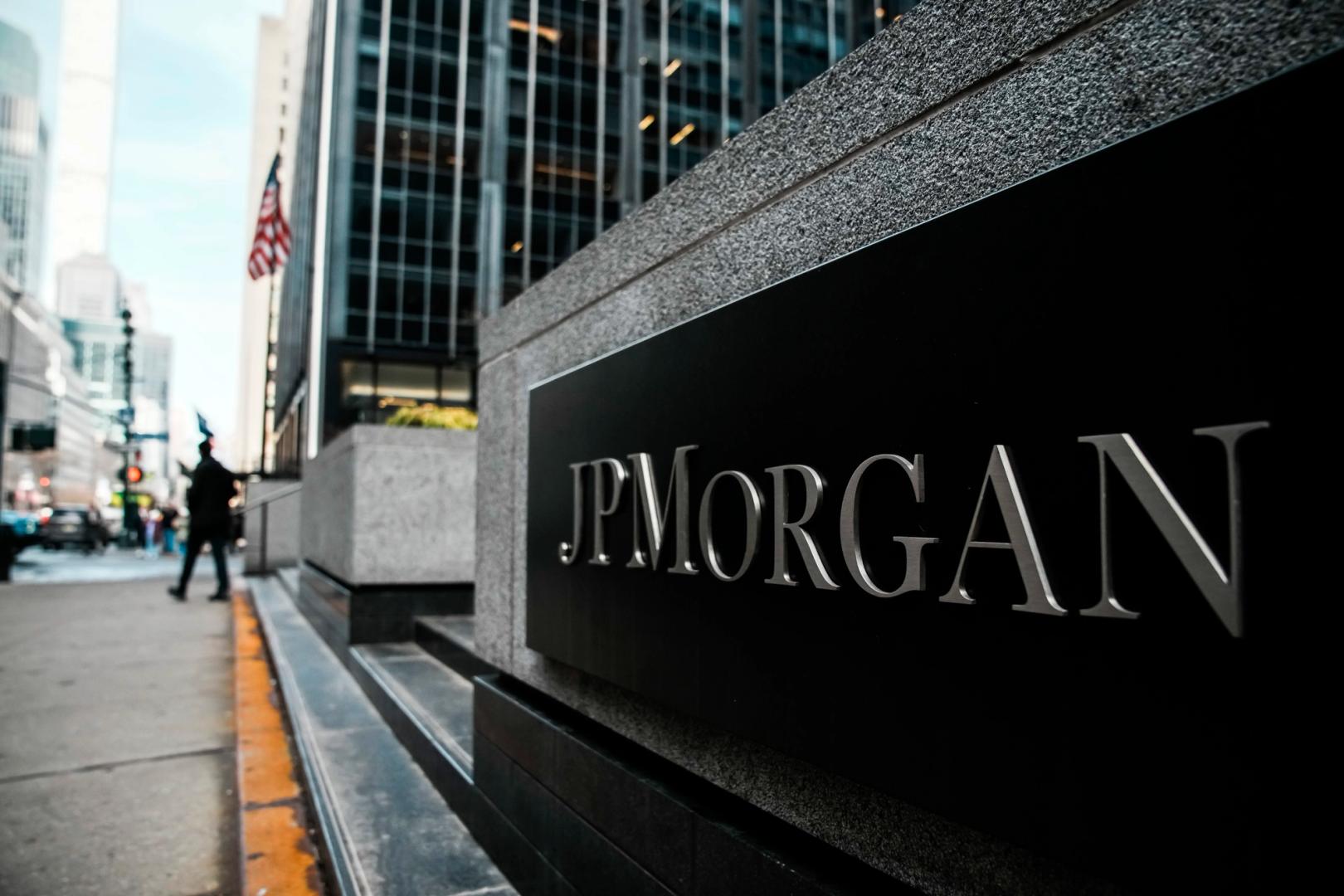
The long-standing conflict between traditional banking institutions and the stablecoin sector has reached a new boiling point. Banks are increasingly pressuring U.S. regulators to limit the yield-bearing capabilities of digital assets, fearing that the superior returns offered by stablecoin issuers will trigger a massive exodus of liquidity from traditional savings accounts. This struggle is not merely about technology, but about who controls the flow of capital in the modern economy.
This clash is unfolding against a backdrop of significant U.S. legislative tension. Banking lobbyists argue that preserving low-yield deposits is essential for the stability of the fractional reserve system, a narrative that is reportedly gaining traction among key lawmakers. Conversely, the crypto industry views these efforts as protectionist measures designed to stifle competition and prevent consumers from accessing more efficient, blockchain-based financial products that reflect current market rates.
If the banking lobby successfully influences upcoming stablecoin legislation, the market could see strict caps on yields or mandates that force reserves into non-interest-bearing accounts. Such a move would significantly diminish the utility of stablecoins as a store of value and could slow the pace of institutional adoption. For the DeFi sector, this represents a systemic risk to the 'money legos' that rely on stablecoin liquidity.
Investors should closely monitor the progress of the Lummis-Gillibrand and McHenry-Waters bills in Congress, as well as any new guidance from the Federal Reserve regarding digital asset custody. A regulatory tilt toward the banking sector would be a major headwind for stablecoin growth, while a win for crypto could unlock a new era of retail capital inflow into the digital economy.