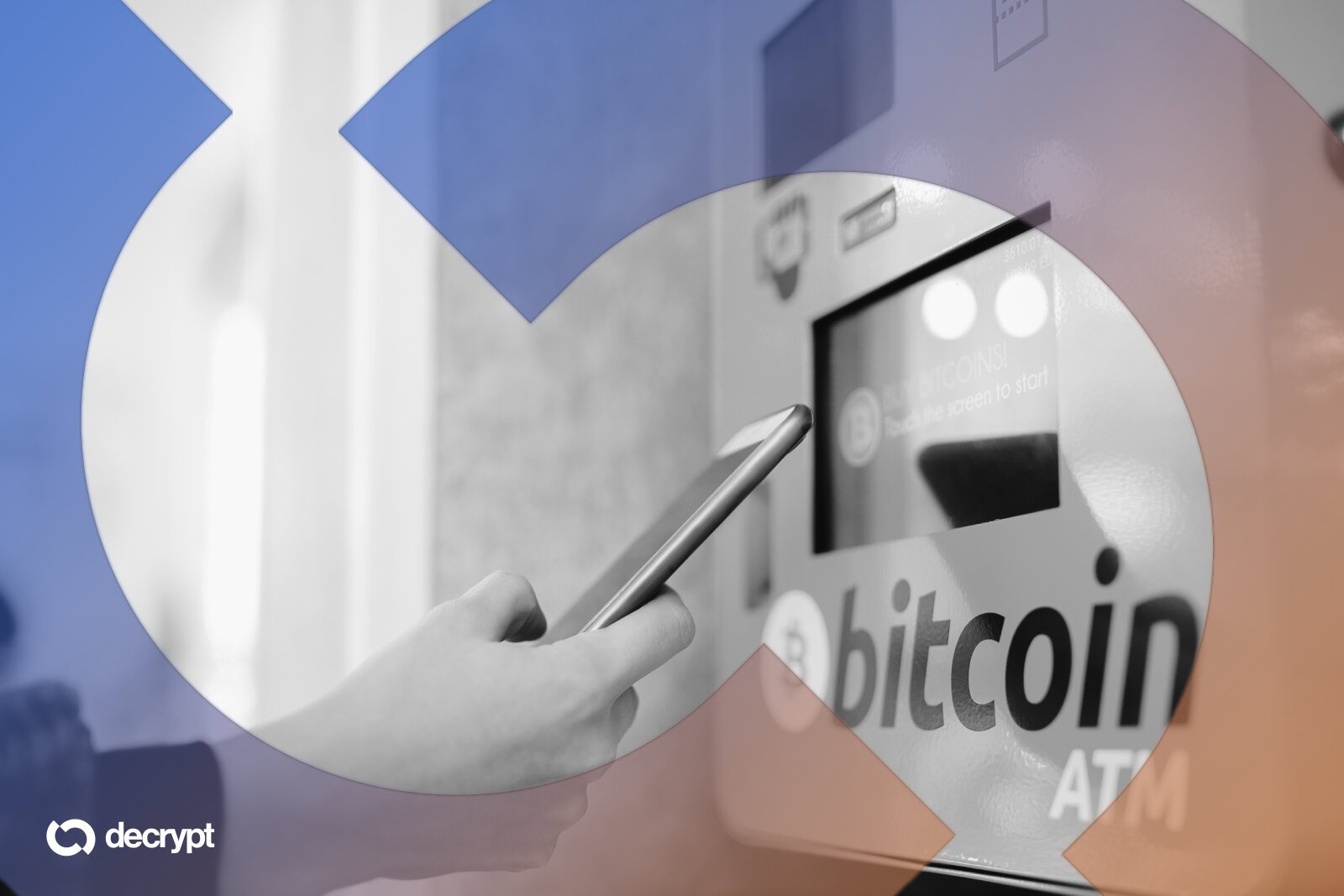
Hawaii is tightening the leash on physical crypto access as lawmakers move to prohibit crypto ATMs from accepting cash deposits. Effective this October, the new regulation specifically targets the deposit mechanisms that have become a preferred channel for 'pig butchering' and other sophisticated financial scams. By removing the ability to feed physical bills into these kiosks, the state aims to sever the link between vulnerable retail users and anonymous fraudulent wallets.
This regulatory shift highlights a nuanced approach by Hawaiian authorities. Rather than a blanket ban on digital asset kiosks, the machines remain operational for users looking to liquidate their holdings for USD or swap between different cryptocurrencies. This follows Hawaii’s broader regulatory evolution, including the recent conclusion of its Digital Currency Innovation Lab, which signaled a shift from experimental oversight to more permanent, structured compliance frameworks.
For the broader market, this move signals a growing trend of 'micro-regulations' targeting specific retail vulnerabilities rather than systemic industry bans. While the move marginally reduces physical on-ramp liquidity, it serves to de-risk the industry in the eyes of federal regulators by removing high-friction areas for law enforcement. It reflects a 'clean-up' phase for the U.S. crypto landscape where accessibility is being traded for consumer protection.
Investors and kiosk operators should monitor whether other U.S. jurisdictions adopt similar restrictions on physical cash ramps. While the immediate impact on Bitcoin’s market price is negligible, the increased compliance burden for operators could lead to a consolidated physical footprint in the Pacific region. Watch for potential pushback from kiosk manufacturers who may see a significant drop in machine utility and transaction fees.