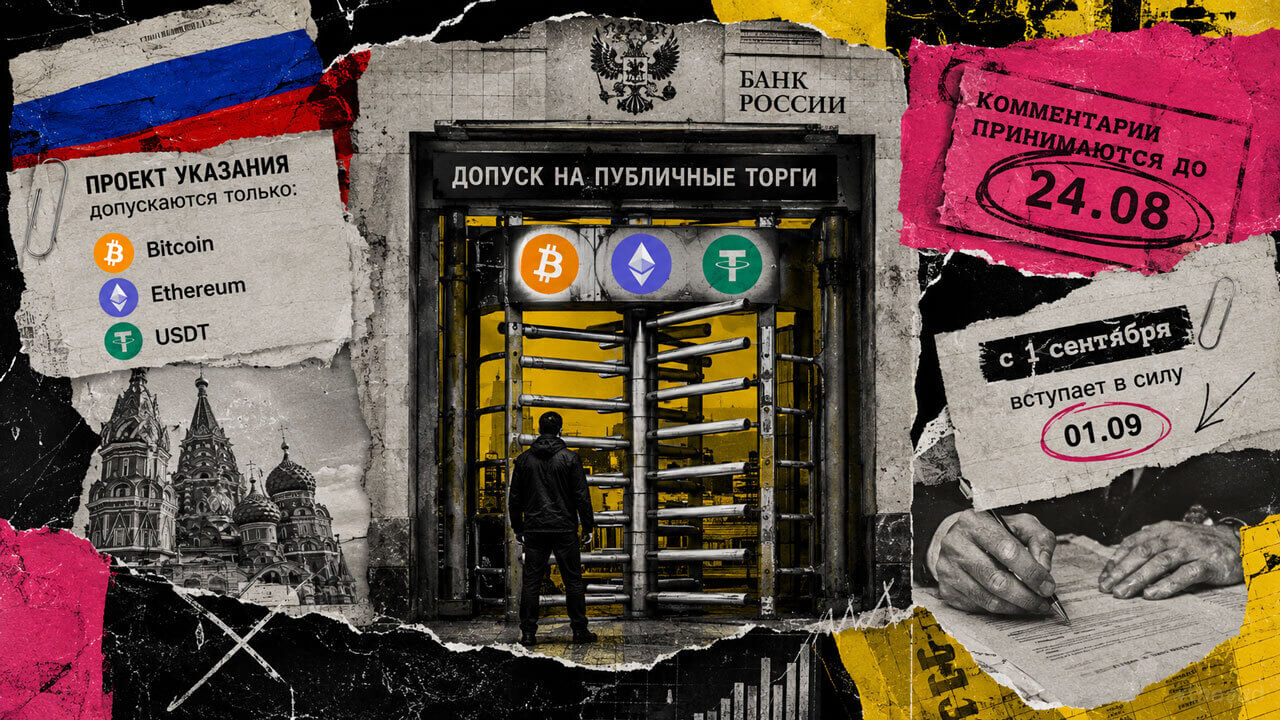
The Bank of Russia is shifting its regulatory stance, moving toward a pragmatic framework that integrates digital assets into the national financial system. By officially naming Bitcoin, Ethereum, and the USDT stablecoin as approved assets for public trading, Moscow is establishing a controlled environment for crypto-asset circulation. This move signals a departure from previous calls for a blanket ban, focusing instead on institutional oversight.
The proposed framework introduces a strict tiered access model. 'Non-qualified' or retail residents will be subject to an investment ceiling of 300,000 rubles per broker (approximately $3,300) or an aggregate annual limit nearing $58,000, depending on final legislative nuances. In contrast, 'qualified' professional investors will maintain broader, uncapped access, mirroring the structure of Russia’s traditional equity and bond markets.
Geopolitical necessity appears to be a primary driver for this pivot. As international sanctions continue to complicate traditional cross-border settlements, the formalization of liquid assets like BTC and stablecoins like USDT provides a legal path for Russian entities to conduct international trade. This development effectively positions crypto as a strategic tool for economic resilience in a sanctioned environment.
Traders should monitor the official implementation timeline and the specific requirements for 'qualified' status, as these will determine the actual liquidity influx from the Russian market. While the move is a milestone for state-level adoption, the restrictive retail caps may temper immediate price volatility. The key factor for the market will be whether this framework facilitates large-scale institutional settlement for Russian industrial players.