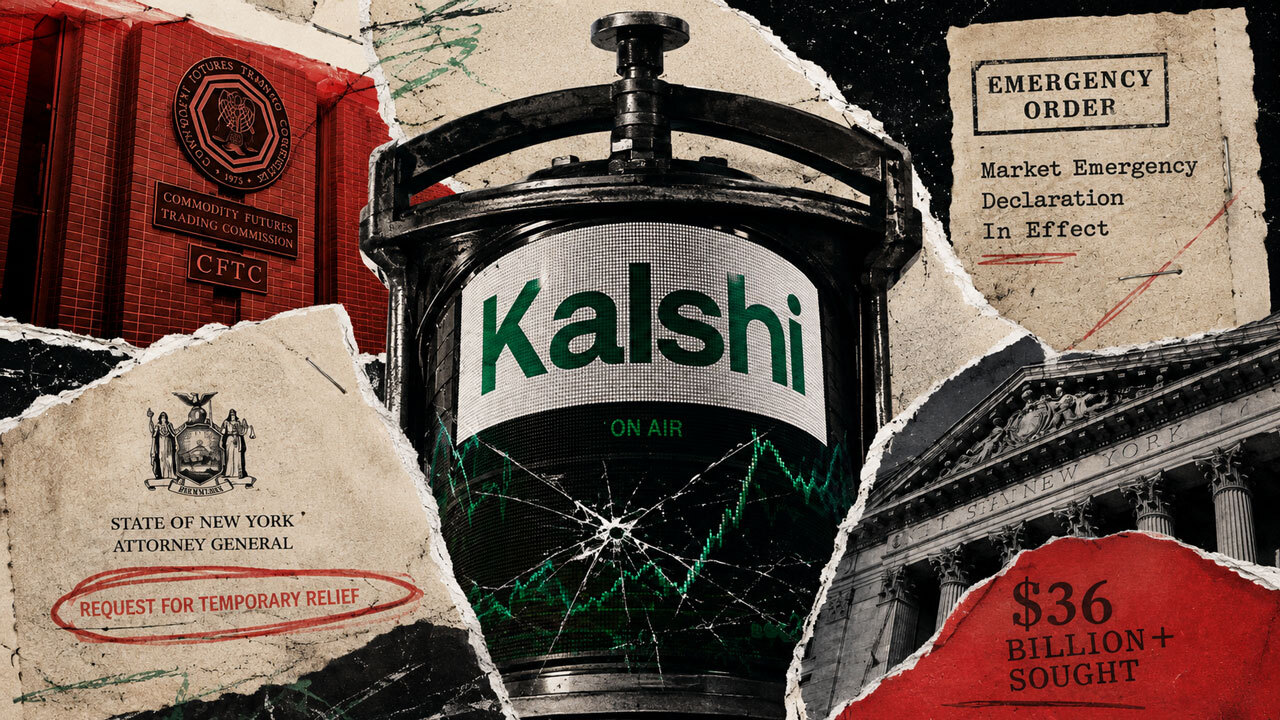
The legal tug-of-war between prediction exchange Kalshi and the Commodity Futures Trading Commission (CFTC) has reached a critical juncture. Following a court ruling that initially favored Kalshi, the CFTC has escalated its rhetoric, characterizing the sudden opening of election betting as a systemic risk to market integrity. While a federal order has preserved active trading for now, the regulator's 'emergency' description of the situation highlights the intense friction between innovative financial products and traditional oversight.
This conflict serves as a pivotal moment for the US regulatory landscape, particularly regarding the classification of prediction markets. While Kalshi operates within a regulated framework, the outcome of this case will set a massive precedent for the broader crypto ecosystem. Decentralized platforms like Polymarket, which have seen explosive growth this year, are watching closely as the courts decide if political outcomes are valid commodities for hedging or merely a form of prohibited gambling.
For investors, this legal volatility represents both a risk and a bellwether for market maturity. A Kalshi victory would solidify the legitimacy of 'event contracts,' potentially drawing institutional liquidity into the prediction market sector. Conversely, a successful CFTC crackdown could drive US users back toward offshore or decentralized alternatives, further fragmenting the domestic liquidity pool.
Traders should keep a close eye on the DC Circuit Court of Appeals for a definitive ruling on the CFTC’s stay request. As the November elections approach, the demand for political hedging is at an all-time high, and the resolution of this 'federal market emergency' will determine whether that demand stays within the regulated US financial system or migrates to the blockchain.