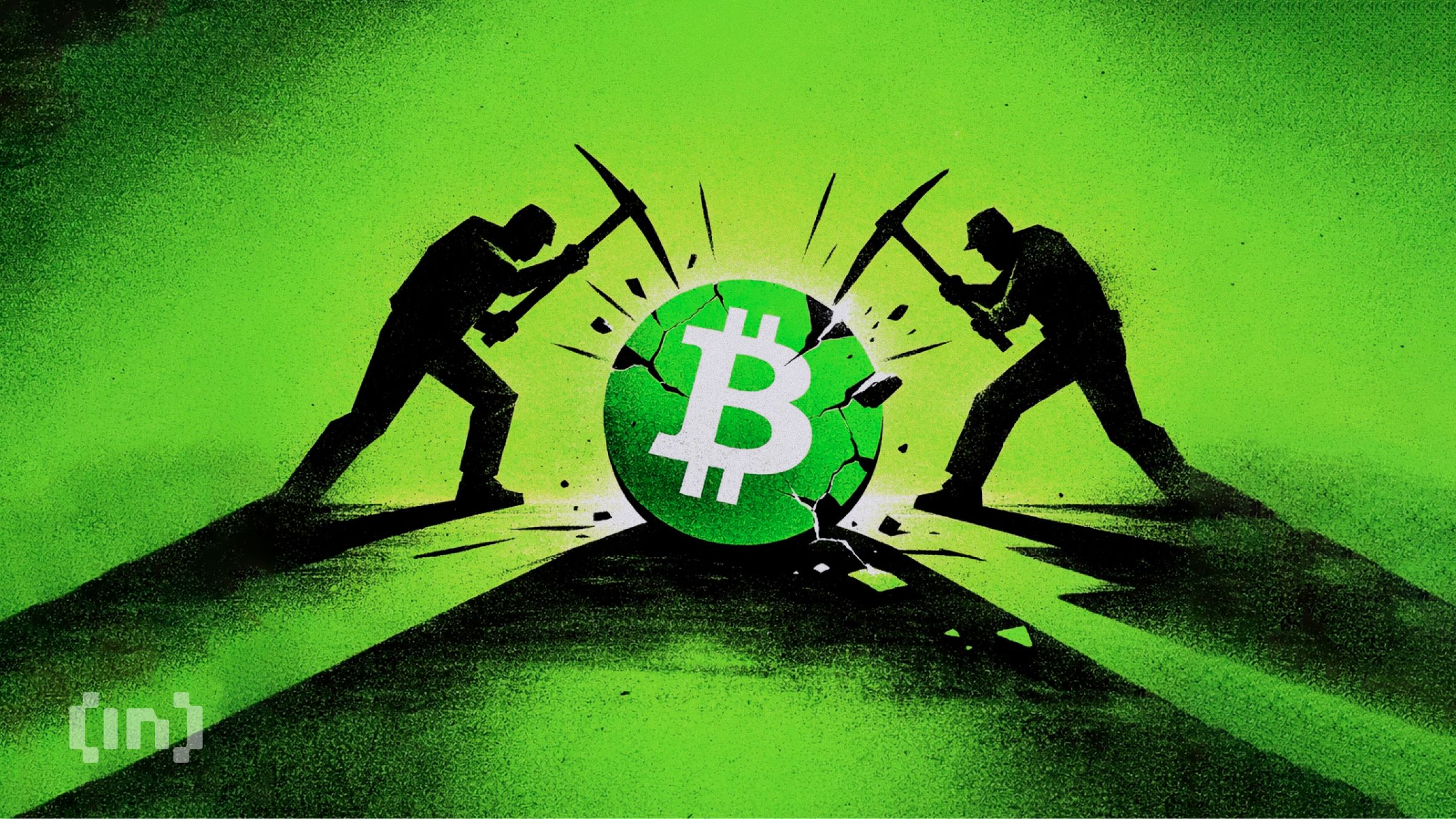
Ripple's current CTO David Schwartz recently weighed in on Bitcoin's security architecture, emphasizing the 'nuclear option' available to the community if miners attempt to cheat the system. Schwartz noted that if miners were to engage in double-spending or a 51% attack, the network's social layer could respond by forking the protocol. This move would invalidate the malicious chain and potentially change the hashing algorithm, stripping the attackers' hardware of its value.
This discussion brings to light the delicate balance of power within the Bitcoin ecosystem. While miners provide the computational work to secure the network, the ultimate authority rests with the nodes and users who decide which chain to follow. The economic reality is that a miner's massive investment in Application-Specific Integrated Circuits (ASICs) only retains value as long as the hardware is compatible with the consensus rules accepted by the market.
For the broader market, these comments reinforce the game theory that has kept Bitcoin secure for over a decade. The threat of immediate capital destruction acts as a powerful disincentive for large-scale mining pools to act maliciously. While a successful attack could cause short-term panic and price suppression, the ability of the community to 'fire' the miners via a fork demonstrates a resilient, though messy, backup security layer.
Investors and traders should continue to monitor hash rate concentration among top mining pools. While the technical possibility of a fork remains a safeguard, its execution would lead to significant market fragmentation. The primary takeaway for the industry is that Bitcoin's security is as much about economic incentives and social consensus as it is about raw computational power.