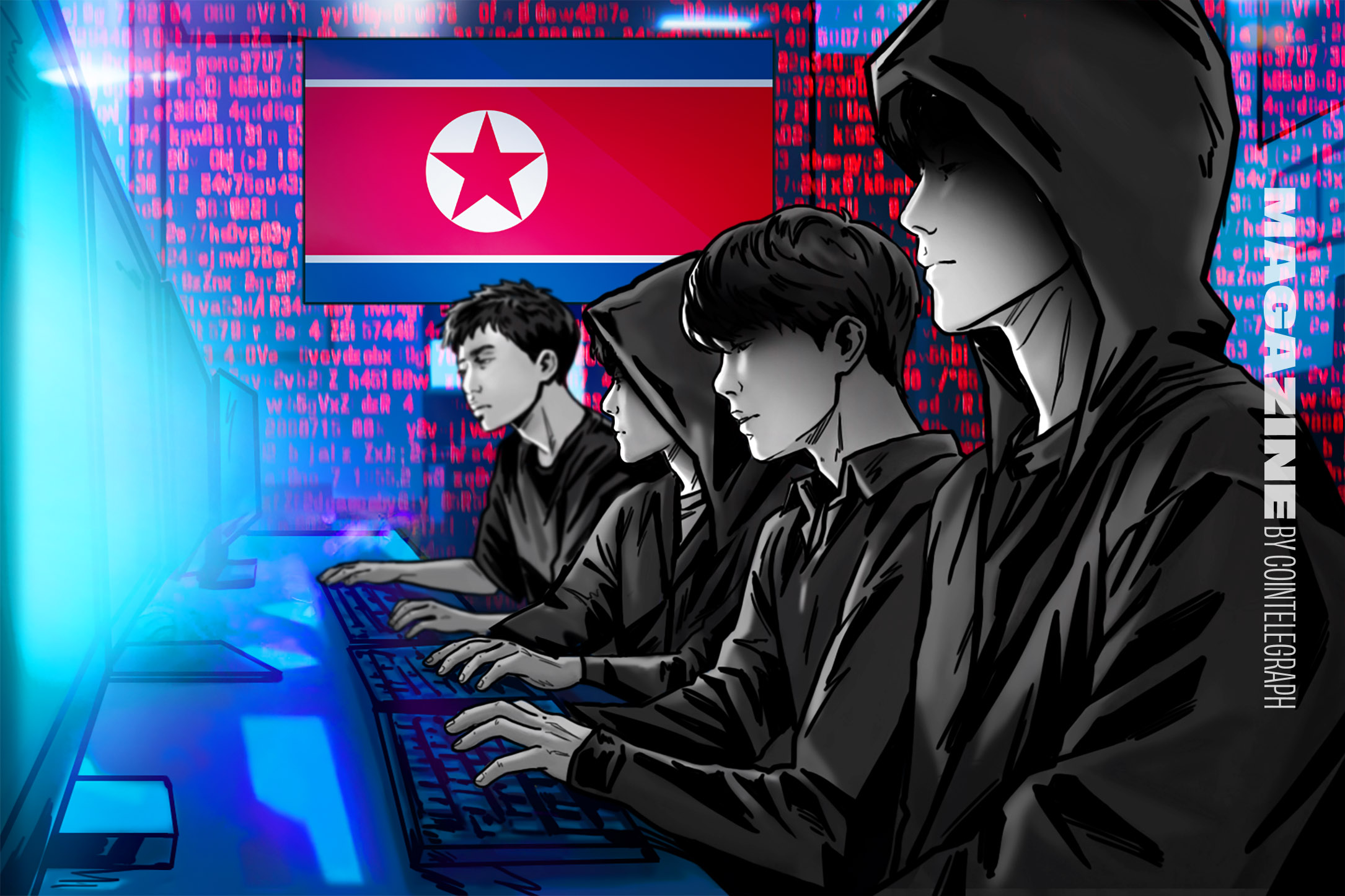
In a sophisticated counter-intelligence move, security researchers orchestrated an elaborate 'honeypot' by launching a fake crypto company, which successfully recruited suspected North Korean IT workers. These individuals, often working remotely under false identities, were monitored in real-time as they attempted to gain access to internal systems. This surveillance revealed significant operational security flaws and technical strategies used by the DPRK to infiltrate the sector.
This operation highlights the growing geopolitical tension surrounding North Korea’s reliance on crypto-theft to fund its weapons programs and bypass international sanctions. By embedding themselves in what they believed was a legitimate startup, the workers inadvertently provided Western intelligence and security firms with a detailed roadmap of how state-sponsored actors target decentralized finance (DeFi) protocols and centralized exchanges.
For the crypto market, this underscores the persistent threat of 'insider' risks and the sophistication of state-sponsored actors. While the sting is a tactical victory for security firms, it serves as a stark reminder for crypto project leads to tighten KYC and vetting processes for remote developers. The discovery of these tactics could lead to a broader crackdown on anonymous hiring within the industry.
Traders and investors should watch for increased regulatory pressure on developer hiring platforms and potential retaliatory cyberattacks from state-aligned groups. As the struggle between state-sponsored hackers and security firms intensifies, the risk premium associated with DeFi protocols remains a critical factor for long-term valuation and institutional adoption.