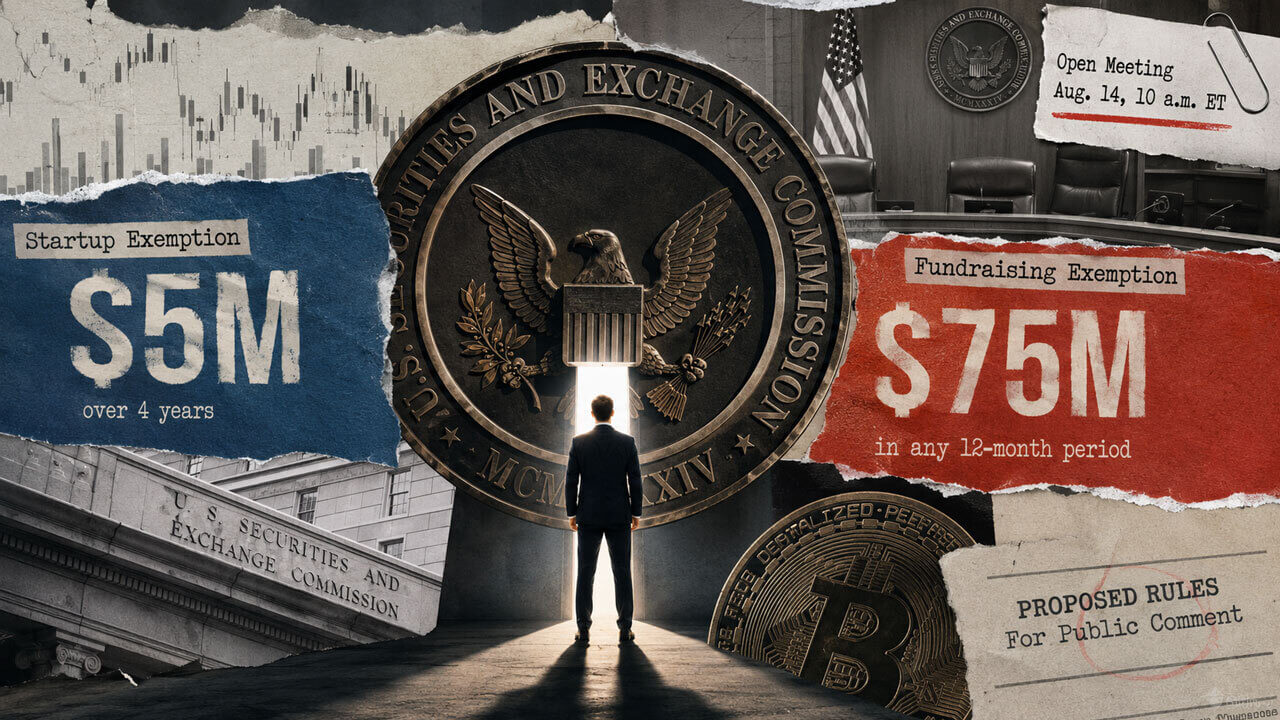
The U.S. Securities and Exchange Commission (SEC) is preparing for a high-stakes vote this Friday that could fundamentally alter the landscape for domestic crypto fundraising. The proposal aims to increase the limit for specific exemptions to $75 million, providing a potentially streamlined path for startups to secure capital without the crushing overhead of a traditional public offering. This move comes as the U.S. faces increasing pressure to provide clear pathways for digital asset innovation.
However, the crypto industry is viewing the move with cautious optimism. Legal experts warn that because the specific eligibility criteria and resale restrictions remain undisclosed, the new rules could act as a 'trap' for unwary issuers. Without clear guidance on how these tokens can be traded on secondary markets, projects risk falling into the same 'unregistered securities' pitfalls that have defined the SEC's recent enforcement actions under the current administration.
From a market perspective, this development could catalyze a surge in mid-sized project funding, potentially reviving the venture landscape for DeFi and infrastructure tokens. A workable $75 million exemption could provide the regulatory bridge that institutional investors have been waiting for to enter the mid-cap token market, though the 'fine print' remains the ultimate deciding factor for market adoption.
Traders and investors should monitor the specific language of the vote outcome this Friday. Key areas to watch include the definition of 'qualified investors' and any mandatory holding periods for the resulting tokens. A clear, favorable ruling could trigger a wave of new U.S.-based token launches, while further ambiguity will likely maintain the current status quo of regulatory uncertainty and project migration offshore.