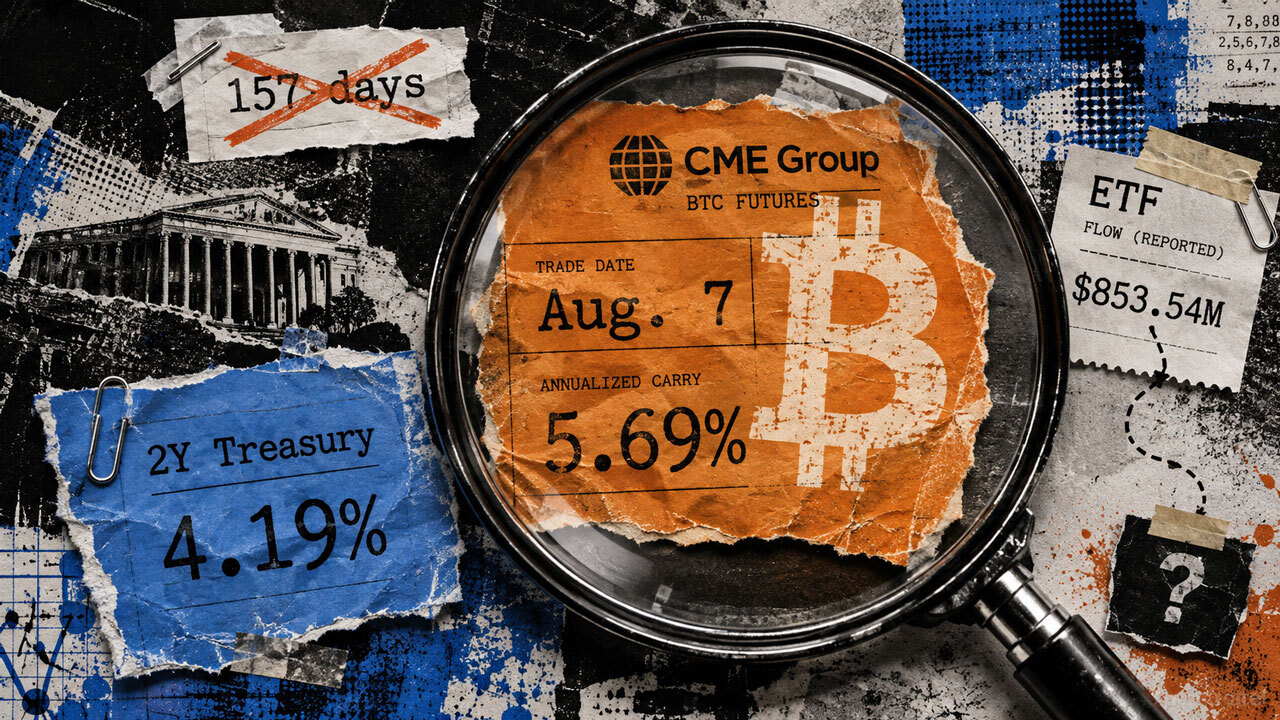
Bitcoin's 'basis trade'—a strategy where investors sell futures contracts while simultaneously buying the underlying spot asset via ETFs—is emerging as a dominant yield-generation tactic for institutional desks. Recent data shows gross futures carry yields ranging between 5.69% and 7.89%. This spread creates a compelling alternative to traditional fixed-income assets, especially as the U.S. 10-year Treasury note offers a comparatively modest return of 4.19%.
In the current U.S. regulatory environment, the maturity of spot Bitcoin ETFs has provided Wall Street with the institutional-grade infrastructure needed to execute these sophisticated arbitrage strategies at scale. While public filings do not explicitly label these inflows as carry trades, the simultaneous rise in ETF volume and futures open interest suggests that professional 'cash-and-carry' operations are driving the current $850 million market spree.
This shift highlights Bitcoin's growing role as a sophisticated financial instrument within the broader macro landscape. Investors should closely monitor the 'basis'—the gap between spot and futures prices. A widening spread will likely attract further institutional capital into U.S. ETFs, while a significant narrowing could signal a cooling of this arbitrage demand or a transition toward more directional, speculative long positions.