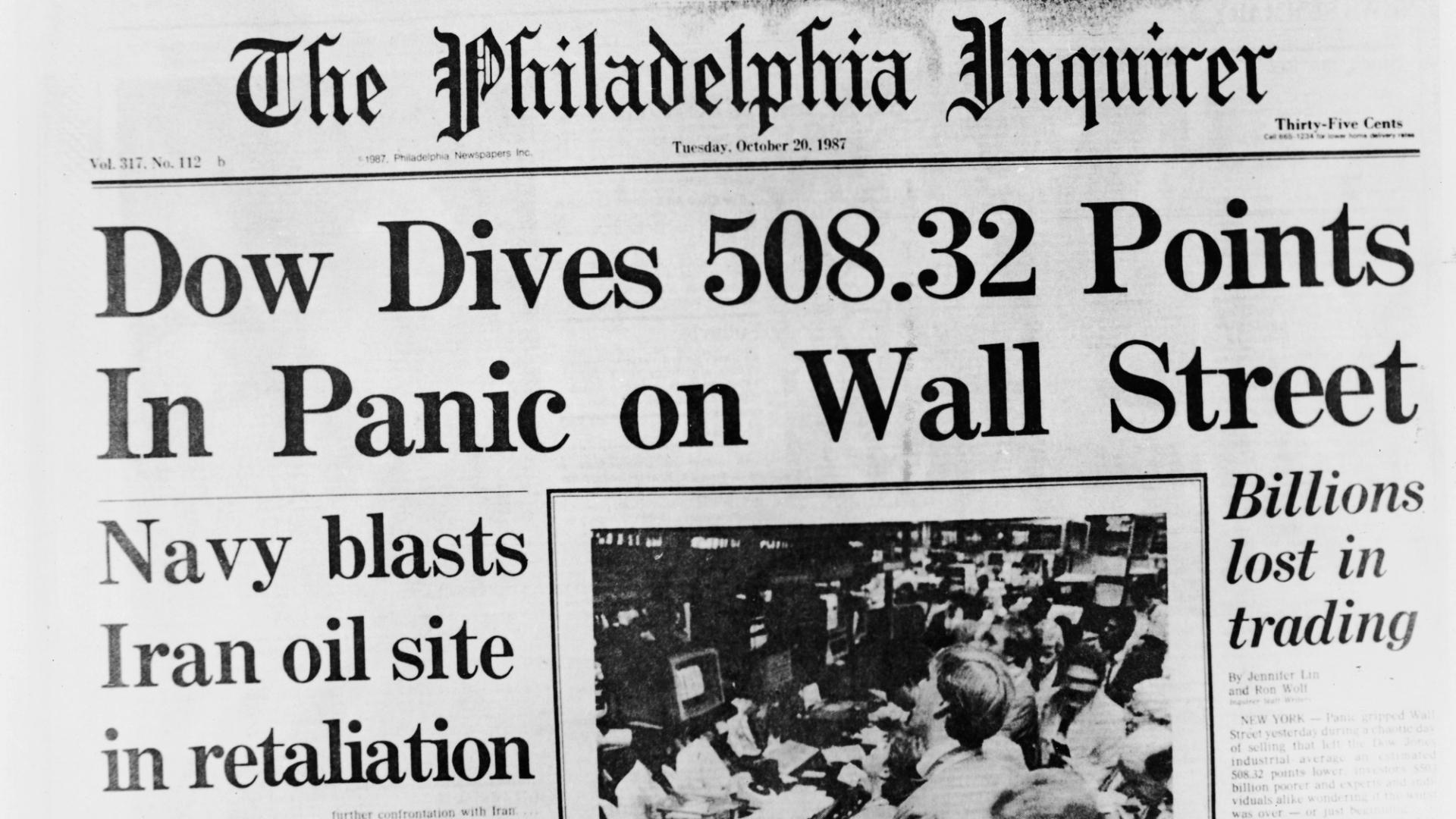
As we look ahead to the market dynamics of August 2026, analysts are drawing startling parallels between current volatility and the economic landscape of the 1960s-90s. During that era, the tug-of-war between high-yield government debt and riskier equities defined investor sentiment. Today, Bitcoin finds itself in the crosshairs of this same competition. As yields on traditional safe-haven assets remain elevated, the incentive for institutional capital to remain in volatile digital assets is being tested by the allure of guaranteed returns elsewhere.
From a regulatory standpoint, while the US has integrated Bitcoin into the broader financial framework, it remains highly sensitive to global liquidity shifts. The geopolitical climate mirrors mid-century tensions that historically drove capital into hard assets, yet the modern digital asset market must now contend with a sophisticated bond market that offers real competition for every dollar of risk capital. This creates a ceiling for Bitcoin’s immediate upside until a clear decoupling from traditional risk-on equities occurs.
For traders and investors, the key indicator remains the 10-year Treasury yield and Federal Reserve rhetoric regarding long-term inflation targets. If the high-yield environment persists, as it did during the late 20th century, we may see a prolonged consolidation phase for BTC. Investors should watch for signs of Bitcoin maturing into a 'flight-to-safety' asset rather than a speculative tech play, which would allow it to bypass the traditional risk-asset pitfalls seen in historical cycles.