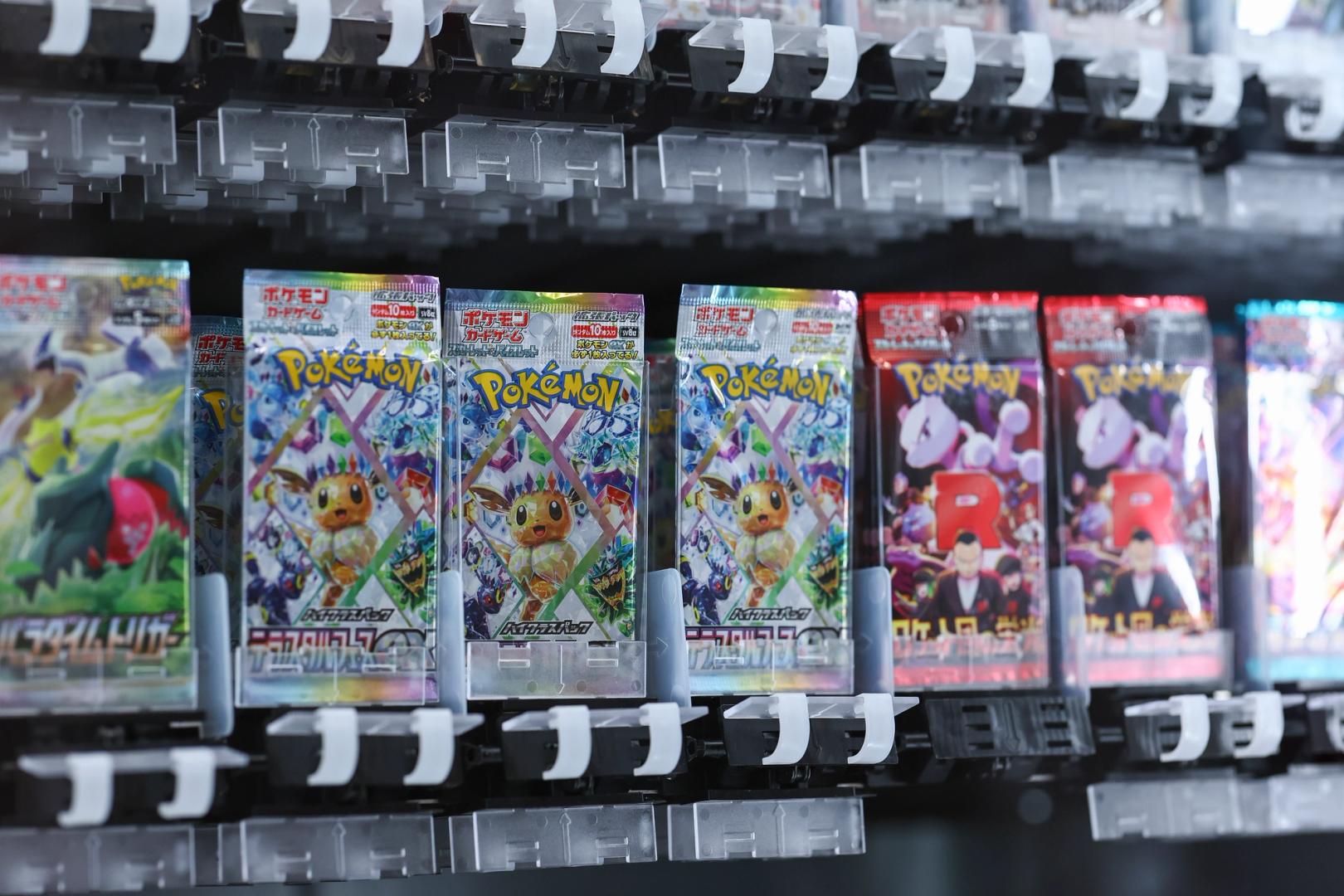
The physical collectibles market is undergoing a digital transformation as blockchain startups begin vaulting and tokenizing rare Pokémon cards. By converting these physical assets into 'phygital' NFTs, platforms are enabling users to trade ownership or fractional shares without the logistical hurdles and risks associated with shipping and physical verification. This shift marks a significant evolution in how high-value hobbyist items are treated within the broader financial ecosystem.
In the U.S., this trend sits at the intersection of consumer interest and regulatory scrutiny. As physical assets become digital tokens, the SEC may evaluate whether fractionalized collectibles constitute investment contracts under existing securities laws. Market participants are closely watching how these platforms navigate domestic compliance while attempting to disrupt traditional auction houses and legacy marketplaces like eBay.
From a market perspective, the success of these ventures could significantly bolster the Real World Asset (RWA) and NFT sectors. By bringing transparency and 24/7 trading to a historically opaque market, crypto-native platforms are attempting to unlock billions in liquidity. However, the primary challenge remains attracting a critical mass of users to compete with established secondary markets that have built decades of buyer trust.
Investors and traders should monitor the development of liquidity pools specifically designed for asset-backed tokens. The key metrics to track include the total value locked (TVL) in vaulting services and the security protocols of the physical facilities housing the underlying assets. If these startups can prove the safety of the collateral, it could trigger a massive influx of retail capital into the RWA space.